Copper peptide essays
GHK and 5-aminolevulinic acid
A positive human result, a companion ingredient, and a different copper peptide whose initials are easy to overlook.
GHK with 5-aminolevulinic acid
The hair trial followed 45 men with androgenetic alopecia for 6 months. Its active preparation paired GHK with 5-aminolevulinic acid. Hair counts increased significantly versus placebo, and the entry reports no adverse events in any group. That last observation belongs to this trial and its duration; it cannot establish tolerability for every preparation or use.
I consider the human hair-count signal worth taking seriously. The credit belongs to the combination that produced it. A result from that preparation leaves the separate contributions of its ingredients unresolved, and the record identifies a GHK-containing complex rather than pure GHK-Cu.
The paper's title is unusually useful here: it names both partners. Leaving either one out of an account would remove information about the intervention before the argument even began.
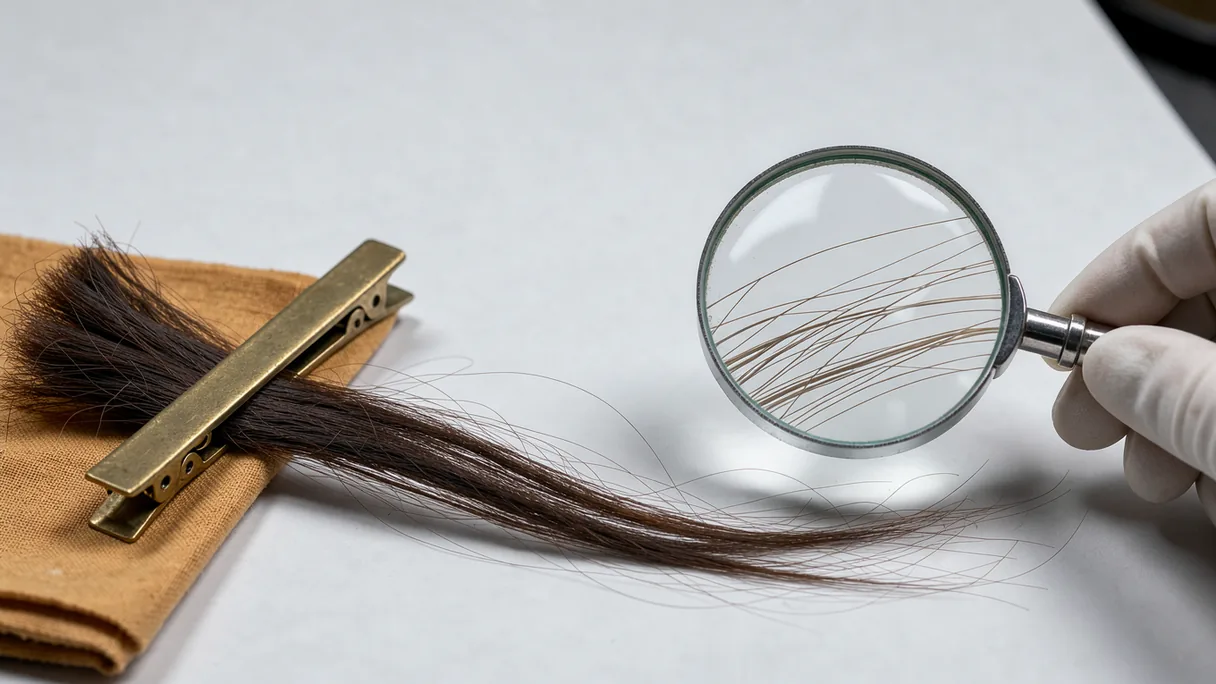
AHK-Cu in follicles and cells
A separate hair-follicle and dermal-papilla study tested AHK-Cu, the alanyl analog of GHK-Cu. It reported elongation of human hair follicles outside the body and proliferation of dermal papilla cells in culture, along with reduced apoptosis, the cell-death outcome examined in the experiment.
That is a different peptide and a different setting. I enjoy this sort of close relative because it turns an apparent repetition into a useful comparison of questions: the human trial asks about a combination's hair-count outcome, while the analog experiment concerns follicles and cultured cells. The resemblance of the peptide names can make the distinction easy to miss.
I would give AHK-Cu full credit for its own experimental findings. Moving them under the GHK-Cu heading would make the record appear more direct than it is.
A question of attribution
The combination trial and the analog experiment leave me interested in a more discriminating comparison of preparations. Each contributes something specific; treating them as repetitions of the same finding would discard their most informative differences.
For Alliance Aesthetics, this is the attraction of a partnership as a subject. It makes the companions visible. I can be encouraged by a result while remaining exacting about whose result it was. The complete entries sit in the reading list.